

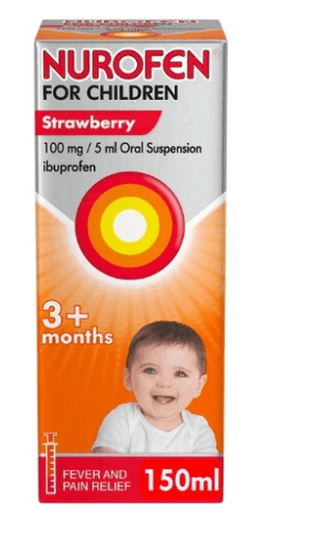

Only use paracetamol to treat a fever.
Is caused by a virus called Varicella-Zoster Virus
There is no cure for chickenpox but it usually gets better on its own within 1-2 weeks of the rash appearing.
Most people only are affected by this virus once, but it can come back later in life as a condition known as shingles (herpes zoster virus)
How is chickenpox spread?
- Being in same room as an infected person, especially for a prolonged time
- Touching the blisters or blister fluid
- From a shingles patient (you cannot get shingles from a chickenpox patient)
Incubation period – the time in between being infected and symptoms start to show
- 11-21 days
Symptoms
Early symptoms before rash appears may occur:
- Fever
- Headache
- Sore throat
- General unwellness
- Change in behaviour
Rash onset
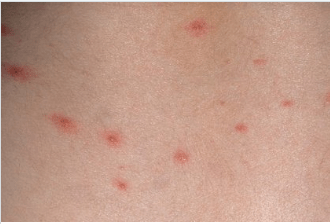
- Stage 1 – Small separate red bumps
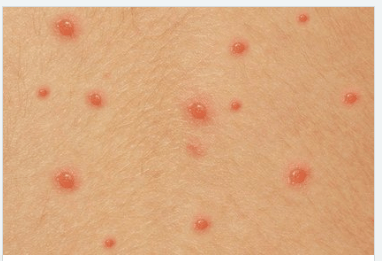
- Stage 2 – These will eventually blister (fluid builds up in the spots)
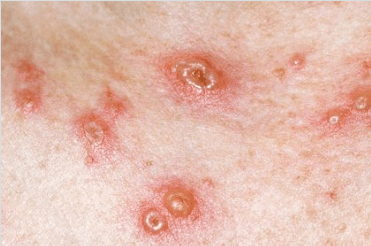
- Stage 3 – The blisters should dry and burst, leaving crust and the rash should end
It normally takes between 1-2 weeks from the start until all the blisters have crusted over.
The rash is extremely itchy usually
The spots may be harder to see on children with darker skin tones, especially brown and black skin.
Rash location
- Most commonly on scalp, face, and torso but can be other locations
Stage 1 – spots appear
Stage 2 – spots fill with fluid and become blisters
Stage 3 – blisters burst and crust over – becoming scabs
School
- Keep the child off school until ALL the blisters have crusted over – usually around 1 week
- Is highly contagious.
TREATMENT
There is no cure but treatment can help manage symptoms.
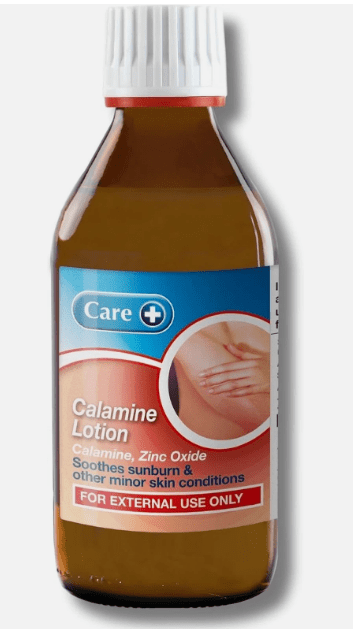
- Calamine lotion – for the skin reaction
- Seek further advice from a doctor if considering giving to somebody under 2
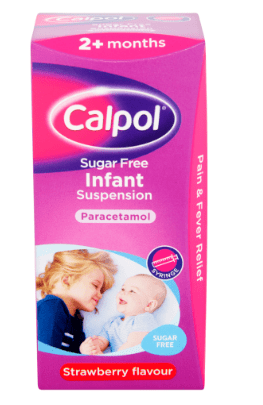
- Calpol (Paracetamol) for fever
- NOT NUROFEN – IBUPROFEN – a severe possibly life-threatening skin reaction may occur if ibuprofen is given for chickenpox
- Do NOT give ASPIRIN (if older child) – risk of Reye’s – potentially fatal (aspirin should not be given to under 16’s in general unless advised otherwise by a doctor)
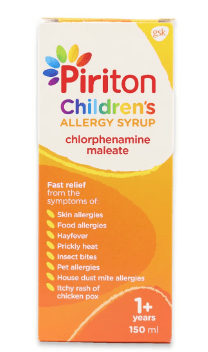
If the itching is severe and widespread, the antihistamine medication Piriton (chlorphenamine) can help if the Child is over 1 and is suitable, especially if the child is having difficulty sleeping due to discomfort:
Other advice:
- Keep child hydrated
- Keep child’s fingernails short to minimise risk of secondary infection from scratching blisters
Other home remedies that can also help:
- Colloidal oatmeal (eg: AproDerm) – helps soothe itching
- Sodium bicarbonate (baking soda) – helps itching and fight infection.
Red flags – signs of a more serious infection
It is possible for a secondary bacterial infection such as impetigo to develop.
The risk is increased if the child scratches their blisters a lot
- If the blisters become cloudy and yellow fluid (pus) leaks out of them
- Return of fever after initial fever went
- Behavioural changes
- Skin around chickenpox blisters is hot, painful or red
Other red flags – see the doctor or go to A+E as soon as possible as possible sign of a more serious infection:
Click here for full signs of meningitis and sepsis
- Difficulty looking at light
- Rash that does not fade when a clear glass is pressed on it
- Difficulty urinating or has not urinated in a while
- Symptoms suddenly get worse
Call 999 or go to A+E IMMEDIATELY if:
- Change in child’s skin colour – especially to a more paler colour
- Severe vomiting
- Once a child is infected with chickenpox, even when the infection is thankfully over, the varicella virus remains dormant in the system for the rest of one’s life.
- It may reactivate later as a disease known as shingles (herpez-zoster virus).
- Shingles is much less contagious.
- One can be infected with chickenpox from a shingles patient.
- But it is very unlikely to be infected with shingles from another shingles or chickenpox patient.
- It is unlikely to get shingles more than once or twice in a lifetime.
Adult chickenpox
- There is a relatively small chance of getting chickenpox again as an adult, even if you already had it as a child.
- The risk is higher if had chickenpox very early in life (under 6-12 months old), had a very mild case or have a weakened immune system, pregnant women and elderly.
- Adult chickenpox can be more deadly than in children and lead to severe complications
Vaccinations against chickenpox
- Vaccinations can be offered to those who are likely to develop a severe complication of chickenpox or who live with a vulnerable person.
- It is a live vaccine – contains a weakened version of chickenpox virus
- Who is it not suitable for:
- Severely weakened immune system – especially due to diseases like HIV or procedures like chemotherapy
- Any allergies to the vaccine or it’s ingredients or previous bad reaction
- Under 9 months old
- Pregnant women – avoid getting pregnant within 1 month of having the last dose of vaccine
- Do not have this vaccine within 1 month of MMR
SOURCES AND IMAGES
[1] https://www.istockphoto.com/photo/chicken-pox-on-a-toddler-gm489634516-74762163?searchscope=image%2Cfilm John-Kelly
[2] https://www.chemist-4-u.com/calpol-infant-sugar-free-suspension-100ml
[3] https://www.nhs.uk/conditions/chickenpox/
[4] https://www.healthline.com/health/can-you-get-chickenpox-twice
[5] https://healthclinics.superdrug.com/chickenpox-in-adults/
 Shobz Pharmacy