
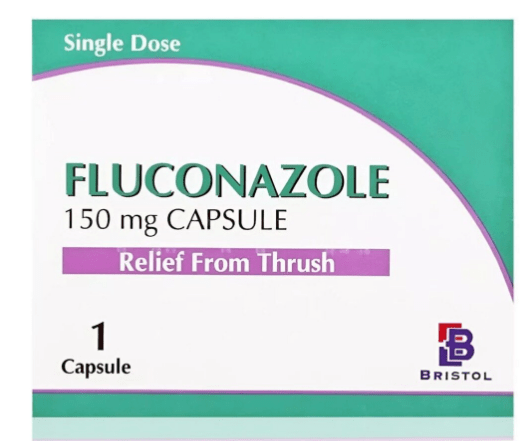
LEADING POINTS
- Genital and oral thrush
- Confidential and discreet delivery, privacy guaranteed.
- Improvement within only 1-3 days
- Male and Females 16-60
MORE INFORMATION ON FLUCONAZOLE:
ABOUT FLUCONAZOLE
WHAT IS FLUCONAZOLE?
- Fluconazole is a medication used for the treatment of fungal infections, especially thrush.
- It belongs to a group of medications called “azole antifungals” – more specifically “triazoles”
HOW DOES FLUCONAZOLE WORK?
- It kills the fungus causing the infection.
- Destroys the fungi cells’ membranes so that the contents leak out
HOW LONG DOES FLUCONAZOLE TAKE TO WORK?
- Normally takes around 1 week to work fully
- However, it is likely you’ll see some improvement within only 1-3 days
WHO IS FLUCONAZOLE SUITABLE FOR?
- Males and females 16-60
Do NOT take Fluconazole if:
- Have a rare blood disorder called Acute Porphyria
- Are under 16 or over 60 (unless advised by a doctor first)
Are taking the following medications or others that can affect heartbeat:
- Pimozide (for behaviour and tics)
- Quinine
- Erythomycin
There is risk of potentially fatal irregular heart rhythm.
Take Fluconazole within caution if:
- Kidney impairment
- Liver impairment
- Issues with heart rhythm – particularly Q-T interval prolongation.
- Any other long-term illnesses
- Fluconazole interferes with many medications
Please speak to a healthcare professional if it’s your first time with genital thrush.
Pregnancy:
- Should be avoided unless serious infection and alternative treatments have failed and potential benefit outweighs risk.
- High doses for a long time period have been shown to cause birth defects.
- Should wait at least a week after taking Fluconazole to try to become pregnant.
Breastfeeding:
For single dose Fluconazole:
- Is present in milk but unlikely to cause harm
- As long as baby is in good general health is OK.
Avoid in long-term, repeated dose treatment
FLUCONAZOLE WITH OTHER MEDICATIONS
Fluconazole interacts with several medications. These include:
- Antibiotics
- Painkillers
- High blood pressure medications
- Steroid medications
- Benzodiazepines
- Immunosupressant medications
- Birth control pills
- Vitamin A
- Heart rhythm medications
- Cancer medications
- Diabetic medications
- HIV medications
- Methadone, fentanyl, alfentanil – strong painkillers and sedatives.
- Drugs for mental illness
DO NOT TAKE FLUCONAZOLE IF YOU ARE TAKING:
- Pimozide (for behaviour and tics)
- Quinine
- Erythomycin
There is risk of potentially fatal irregular heart rhythm.
OTHER WARNINGS AND PRECAUTIONS:
- The main risk of this medication is the increased risk of Q-T interval prolongation; an abnormal heart rhythm that can lead to cardiac arrest. Potentially fatal.
FLUCONAZOLE ALTERNATIVES:
Oral thrush:
- Daktarin oral gel (Miconazole 2%) – CURRENTLY UNAVAILABLE =(
Genital thrush
- Clotrimazole 2% cream (Canesten) (1% is for other infections)
- Miconazole 2% cream (Daktarin)
SIDE EFFECTS:
Common:
- Diarrhea
- Headache
- Vomiting
- Mild skin reactions
Uncommon:
- Dizzy
- Seizure
- Liver damage
Rare but potentially serious – seek immediate medical attention:
- Heart rhythm abnormal – known as QT interval prolongation.
- Heart rhythm abnormal – known as Torsade de pointes (QT interval prolongation can lead to this)
- Severe skin reactions – potentially life-threatening in worst cases
- Abnormal blood count
- Low potassium
- Hair loss
LIFESTYLE CHANGES:
Genital thrush:
- Avoid tight-fitting clothing
- Avoid strong scented soaps and shower gels
- Dry properly after washing – fungi like moist environments
- Cotton underwear
- Wash with water and an emollient (such as E45) instead of soap
Oral thrush:
- If using steroid inhalers, rinse out mouth after using them
- Brush twice a day with fluoride
- Use a new toothbrush after infection clears
- Smoking can increase risk
Diabetics should ensure that blood sugar well controlled as diabetes increases risk of infections including fungal ones.
FLUCONAZOLE TABLET INGREDIENTS:
Active ingredient: 150mg of Fluconazole
Other ingredients:
Capsule content
Lactose monohydrate,
Maize starch,
Sodium lauril sulphate
Colloidal silica anhydrous
Magnesium stearate
Capsule shell
Titanium dioxide (E171)
Sodium lauril sulfate
Gelatin
Printing ink
Shellac
Propylene glycol
Yellow iron oxide (E172)
SOURCES:
[1] https://www.medicines.org.uk/emc/product/4720/smpc#gref
 Shobz Pharmacy